
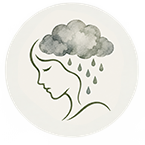
Major Depressive Disorder
Major Depressive Disorder is characterized by persistent depressed mood and/or a marked loss of interest or pleasure in activities, accompanied by symptoms such as changes in sleep or appetite, low energy, impaired concentration, feelings of worthlessness or excessive guilt, psychomotor changes, and, in some cases, recurrent thoughts of death or suicide. These symptoms can significantly impair social, occupational, and daily functioning. Treatment is individualized and may include psychotherapy, medication management, and lifestyle interventions aimed at reducing symptoms, restoring functioning, and improving overall quality of life.
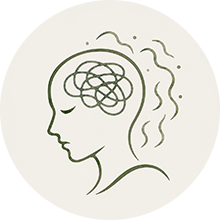
Generalized Anxiety Disorder
Generalized Anxiety Disorder is characterized by excessive anxiety and worry occurring more days than not about a variety of life circumstances, often accompanied by difficulty controlling the worry. Individuals may also experience restlessness, feeling keyed up or on edge, fatigue, difficulty concentrating, irritability, muscle tension, and sleep disturbance. Treatment focuses on reducing the intensity of anxiety symptoms, improving emotional regulation, and helping individuals develop greater confidence and flexibility in responding to stress.

Substance Use Disorders
Substance Use Disorders involve a problematic pattern of alcohol or drug use leading to clinically significant impairment or distress. Symptoms may include impaired control over substance use, persistent cravings, unsuccessful efforts to cut down, increasing tolerance, withdrawal symptoms, and continued use despite negative consequences in relationships, work, health, or other areas of life. As an addiction psychiatrist, I approach substance use disorders through a compassionate, trauma-informed lens that addresses both the substance use itself and the underlying psychological, emotional, and psychiatric factors that may contribute to it.

Behavioral Addictions
Behavioral addictions involve persistent engagement in rewarding behaviors despite significant negative consequences and loss of control. These may include gambling, gaming, pornography use, compulsive shopping, social media use, and other repetitive behaviors that become difficult to regulate. Similar to substance use disorders, these behaviors often involve cravings, compulsive engagement, unsuccessful attempts to reduce or stop, and continued participation despite adverse effects on functioning and well-being. Treatment focuses on understanding the function these behaviors serve while developing healthier and more sustainable ways of managing emotions and stress.

Obsessive-Compulsive Disorder (OCD)
Obsessive-Compulsive Disorder is characterized by the presence of obsessions, compulsions, or both. Obsessions are recurrent and persistent thoughts, urges, or images that are experienced as intrusive and unwanted and typically cause significant anxiety or distress. Compulsions are repetitive behaviors or mental acts performed in response to obsessions or according to rigid rules, often aimed at reducing anxiety or preventing a feared outcome. Treatment may include medication, psychotherapy, and evidence-based approaches designed to reduce symptom severity and improve daily functioning.
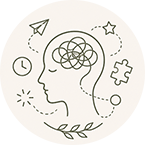
Attention-Deficit / Hyperactivity Disorder (ADHD)
Attention-Deficit/Hyperactivity Disorder is a neurodevelopmental disorder characterized by persistent patterns of inattention, hyperactivity, and/or impulsivity that interfere with functioning across multiple settings. Symptoms may include difficulty sustaining attention, disorganization, forgetfulness, distractibility, restlessness, excessive talking, interrupting others, and difficulty managing time or completing tasks. In adults, ADHD can significantly impact academic, occupational, interpersonal, and emotional functioning. Treatment is individualized and may include medication management, behavioral strategies, and supportive psychotherapy.
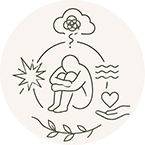
Post-Traumatic Stress Disorder (PTSD)
Post-Traumatic Stress Disorder may develop following exposure to actual or threatened death, serious injury, or sexual violence. Symptoms can include intrusive memories, nightmares, flashbacks, avoidance of trauma-related reminders, negative changes in mood and cognition, emotional numbing, hypervigilance, exaggerated startle response, irritability, and sleep disturbance. PTSD affects both the mind and the body, often altering how the nervous system responds to stress and perceived threat. My trauma-informed approach focuses on helping individuals regain a sense of safety, improve emotional regulation, process traumatic experiences, and restore meaningful engagement in life.
Bipolar Disorder
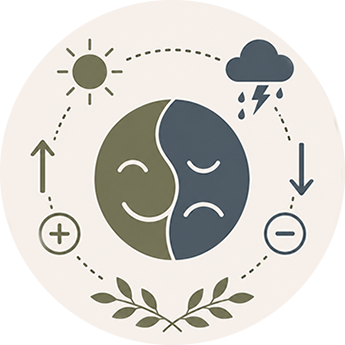
Bipolar disorder is a mood disorder characterized by episodes of depression as well as periods of elevated, expansive, or irritable mood accompanied by increased energy and activity levels. During manic or hypomanic episodes, individuals may experience decreased need for sleep, racing thoughts, increased confidence, impulsivity, heightened goal-directed behavior, increased talkativeness, or engagement in activities with potentially harmful consequences. Depressive episodes may involve persistent sadness, loss of interest or pleasure, fatigue, feelings of guilt or hopelessness, difficulty concentrating, and changes in sleep or appetite. Because bipolar disorder can affect mood, thinking, judgment, relationships, work performance, and overall functioning, accurate diagnosis and careful treatment are essential. My approach emphasizes comprehensive evaluation, individualized medication management, ongoing monitoring, and supportive psychotherapy to help patients achieve greater mood stability, improve daily functioning, strengthen self-awareness, and lead fulfilling, balanced lives.